How Long Does It Take Chickens to Adjust to a New Coop?
Most chickens adjust to a new coop within 3 to 7 days, though some flocks may take up to two weeks. Adjustment time depends on coop design, placement, and how changes are introduced.
Temporary stress is normal. Long-term stress is not.
What chickens experience during the first few days
A new coop changes a chicken’s sense of safety and routine. In the first days, you may notice:
- Hesitation entering the coop at dusk
- Reduced egg laying
- Increased alertness or pacing
These behaviors usually fade as chickens learn where to roost and nest.
Factors that speed up adjustment
Chickens settle faster when:
- The coop is properly sized for the flock
- Ventilation keeps air fresh without drafts
- Nesting boxes are easy to find
- The coop is placed in a quiet, consistent location
Familiar feeders and waterers also reduce confusion.
Signs chickens are not adjusting well
If stress continues beyond two weeks, look for:
- Persistent refusal to enter the coop
- Aggressive pecking
- Continued egg-laying disruption
- Nighttime roosting outside
These signs often point to layout, airflow, or security issues.
How coop design affects adjustment
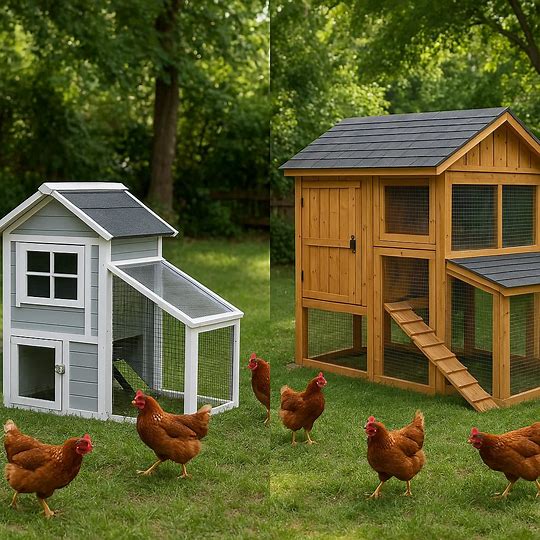
Chickens feel secure when the coop layout is predictable and easy to navigate. Clear roosting areas, adequate headroom, and solid construction help birds settle faster.
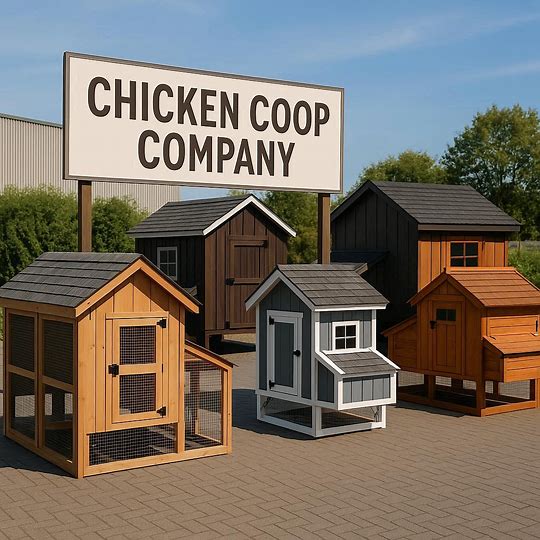
Reviewing well-designed chicken coops built for backyard flocks provides a useful reference for features that support quick adjustment:
👉 https://qualitychickencoops.com/chicken-coop-shop/
How to help chickens adjust faster
Simple steps include:
- Introducing birds during daylight
- Manually placing them on roosts the first night
- Keeping routines consistent
- Limiting disturbances during the first week
Patience matters more than intervention.
Conclusion
Knowing how long it takes chickens to adjust to a new coop helps owners set realistic expectations. Most flocks settle within a week when coop design and placement support natural behavior.
A calm adjustment period leads to healthier birds and better egg production.